More than 60 million tonnes of e-waste are generated each year
More than 60 million tonnes of e-waste are generated each year
The way electronics are produced and used today is largely linear—we extract materials, manufacture products, use them, and discard them. This approach puts pressure on fragile ecosystems, depletes natural resources, and contributes to climate change, as significant greenhouse gas emissions occur during both manufacturing and use.
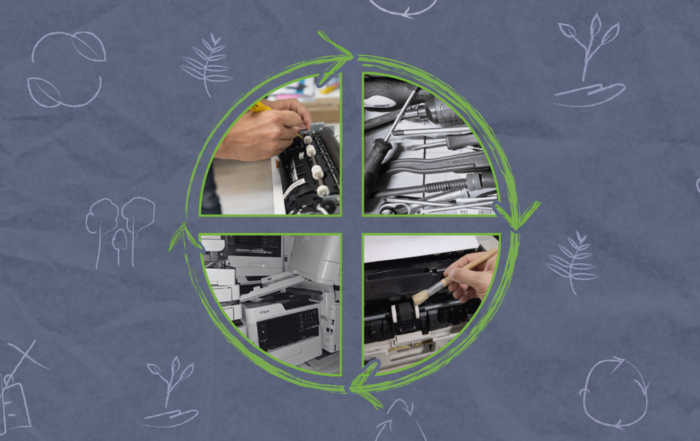
A circular economy offers a better path. Electronics can be designed to be durable, upgradeable, and repairable, so they stay in use for longer. When a device no longer meets the first user’s needs, options like repair, resale, or donation can extend its lifespan. Keeping products and materials circulating helps reduce environmental impacts and supports access to critical materials.
Recycling also matters—but it must be done responsibly. In many countries, limited collection systems and recycling infrastructure mean electronics can end up in landfills or informal processing, harming both the environment and local communities. Supporting initiatives that expand safe collection and high-quality recycling helps build a more inclusive, global approach to e-waste.
We are here to promote circular solutions for electronics
We are here to promote circular solutions for electronics
Circular Electronics Initiative is an international network of expert member organizations working to accelerate circular solutions for electronics.
The network brings together organizations from around the world to share knowledge, drive progress, and promote circular solutions for the design, use, and management of electronic products. The initiative also serves as a stakeholder body supporting the development of upcoming circularity criteria in TCO Certified, aligned with the Roadmap for Sustainable IT.
Its roots trace back to the collaboration behind #CircularElectronicsDay—the annual global campaign held on 24 January. Building on that multi-stakeholder collaboration, Circular Electronics Initiative was established in early 2021 by TCO Development, the organization behind the sustainability certification TCO Certified.
Member organizations










Become a member
Become a member
Is your organization committed to advancing circular solutions for electronics and interested in taking part in the Circular Electronics Initiative? To join the network, your organization submits an expression of Interest and, if accepted, signs a Declaration of Support for the initiative.
There is no mandatory membership fee. However, members are expected to contribute through time, expertise, and active engagement, and to support progress toward more circular electronics.
The network meets online around four times per year, with additional opportunities for in-person meetings when possible.
TCO Development is the project lead and is managing Circular Electronics Initiative.
Submit your interest
Submit your interest
Submit your application
Contact
Contact


#CircularElectronicsDay
#CircularElectronicsDay
Circular Electronics Day is a global awareness campaign founded in 2018 and open to everyone. Held every year on 24 January, it calls attention to the urgent need to move beyond the linear way of producing computers, smartphones, and other IT devices—a system that harms ecosystems, depletes natural resources, and drives the world’s fastest-growing waste stream.
The day inspires individuals and organizations to adopt circular practices that keep products and materials in use longer—through smarter purchasing, maintenance, reuse, repair, refurbishment, and responsible recycling. By extending the life of electronics, we can cut emissions and resource use, reduce e-waste, and support more responsible supply chains.
The member organizations behind the Circular Electronics Initiative are the supporting partners of Circular Electronics Day and welcome participation worldwide.
Join the campaign
Join the campaign
Join the campaign by sharing a photo or post on social media using #CircularElectronicsDay. Show how you support circular electronics by highlighting actions like reuse, repair, refurbishment, or responsible recycling—and share practical tips or inspiring examples others can learn from.
By spreading the word, you help encourage both organizations and consumers to use electronics more responsibly and reduce the e-waste we generate.
What you can do
What you can do

Extending the use
Extending product life is the single most important thing you can do to reduce their climate impact. Upgrade and repair your products to make them last longer. Every extra year of use counts.

Buy second-hand
The second-hand market for electronics is thriving. Buying or selling used devices extends their lifecycle and reduces waste.

Durable products
Choose a durable product that can last longer. Avoid buying unrepairable electronics, as you may have to throw them away after a short time.

Sustainability certification
If you need to buy a new product, choose products that carry a sustainability certification that includes robust criteria and requires independent verification of compliance.

Compensate
Compensate for the e-waste footprint of your new product by either recycling a product with a similar footprint or purchasing offsetting as a service.

Recycle or refurbish
Don’t throw it out! If it’s not possible to reuse or sell your old products, take them to an electronics recycler or refurbisher where they will be handled responsibly.